Do the two vertical “11s” between your eyebrows make you look tense even when you feel relaxed? Those frown lines respond remarkably well to a precise Botox treatment that softens the crease without freezing your expression.
I have spent years treating glabellar lines, which is the anatomical term for the vertical furrows created by the corrugator and procerus muscles. When someone asks about Botox for 11 lines, they are usually looking for a subtle reset, not a mask. The art lies in dosing and placement, matched to the strength of your brow muscles and your goals. What follows is a practical, experience-driven guide that explains how Botox works in this area, what to expect from the appointment, how long results last, what could go wrong, and how to set yourself up for consistently natural results.
What 11 lines really are and why they form
The “11s,” or glabellar frown lines, show up when you pull your brows together, often as a reflex when you concentrate, squint, or react to bright light. Anatomically, two corrugator supercilii muscles tug the brows inward while the procerus muscle pulls the center of the brow downward. With time, repeated contraction imprints the overlying skin. In your 20s and early 30s those lines may be dynamic, only visible during expression. Later, as collagen thins and the muscles grow hyperactive, static creases etch in and remain even at rest.
Genetics, sun exposure, uncorrected vision strain, and stress patterns play a role. I have seen long-distance cyclists with deep 11s from squinting into the wind, programmers who frown at screens for 10 hours a day, and new parents who carry tension between the brows from sleep deprivation. None of these make you vain. They simply mean your brow complex gets more workout than your smile.
How Botox works between the brows
Botox is a purified neurotoxin that temporarily relaxes targeted muscles by blocking the release of acetylcholine at the neuromuscular junction. In the glabella, the goal is selective muscle relaxation: dial down the corrugators and procerus so the inward pull eases, while leaving the frontalis muscle in the forehead free to lift and express. Good injectors think in vectors and balance. Reduce the down-and-in force, keep the up-and-out force. That is how you smooth lines without dropping your brows.
Botox therapy for frown lines does not fill the crease. It reduces the folding force that creates it, so the skin can unfurrow on its own. In newer lines, that is often enough to erase the “11.” In more established creases, a combination approach might be needed once the muscle has softened, such as light microneedling for collagen remodeling or a conservative hyaluronic acid microdroplet precisely placed within a stubborn track.
What to expect during a Botox appointment for 11 lines
A focused glabellar treatment is one of the most straightforward cosmetic procedures in practice. After a brief consultation, the injections themselves typically take three to five minutes. Most clinics apply a cool compress or alcohol swab, then map five to seven small injection points based on your anatomy. You will furrow on cue so the injector can mark active zones, then relax while the micro-needles do their work.
Patients often ask about pain. On a simple 1 to 10 scale, most rate it a 2 to 3. It feels like a quick pinprick and a slight pressure from the fluid. If needles make you nervous, ask whether your provider uses 31 to 33 gauge needles and if they can use vibration or a stress ball. Those small details reduce the perception of discomfort and make the experience easier.
Plan for tiny bumps that look like mosquito bites for 10 to 20 minutes as the saline disperses. Mild redness fades quickly. Makeup can be applied after a few hours if you prefer, though I recommend keeping the area clean the rest of the day if possible.
Units, dosing, and why “just a little” is not always best
The Food and Drug Administration’s on-label recommendation for glabellar lines is 20 units of Botox for women in five injection points. In real practice, I personalize. Stronger brows, thicker muscle, or deeper lines justify 24 to 30 units. Men often require more, not due to gender per se, but because they frequently have larger muscle mass and denser corrugators. On the other hand, a patient in her late 20s with faint lines may look great with 12 to 16 units for a preventative softening.
People ask for “half the units” to look natural. The myth here is that lower dose always equals more subtle. Under-dosing the glabella can leave the center crease active while the tail portions partially relax, which sometimes creates an odd pull pattern. Natural results come from balanced dosing across the muscle group, not from arbitrarily low numbers. I would rather place the right dose to fully calm the crease and then let you try a slightly longer interval between treatments to test your preference for movement.
Mapping the injections: technique matters
The classic pattern involves one injection into the procerus and two on each corrugator, placed just above the medial brow, then slightly lateral and superior to capture the muscle bellies. The goal is to avoid the central frontalis and to stay out of the eyelid elevator (levator palpebrae), which lives below the bony rim. Too low or too medial risks spread to the levator and a droopy lid.
Good technique uses anatomical landmarks, a gentle pinch to bring the muscle into view, and vertical needle orientation with minimal depth in the midline and slightly deeper at the corrugator belly. I have corrected many “heavy brow” results that came from injection too close to the frontalis, which relaxed the lifter and left the brows feeling heavy. A few millimeters and a thoughtful angle make the difference.
Results timeline and what the first week looks like
Onset is not instant. Tiny chemical changes begin in 24 to 48 hours, and you typically see visible smoothing in three to five days. Peak effect arrives around day 10 to 14. If you have an event, schedule your Botox appointment at least two weeks ahead. I like to book the follow up for the two week mark to assess symmetry once the full effect is in.
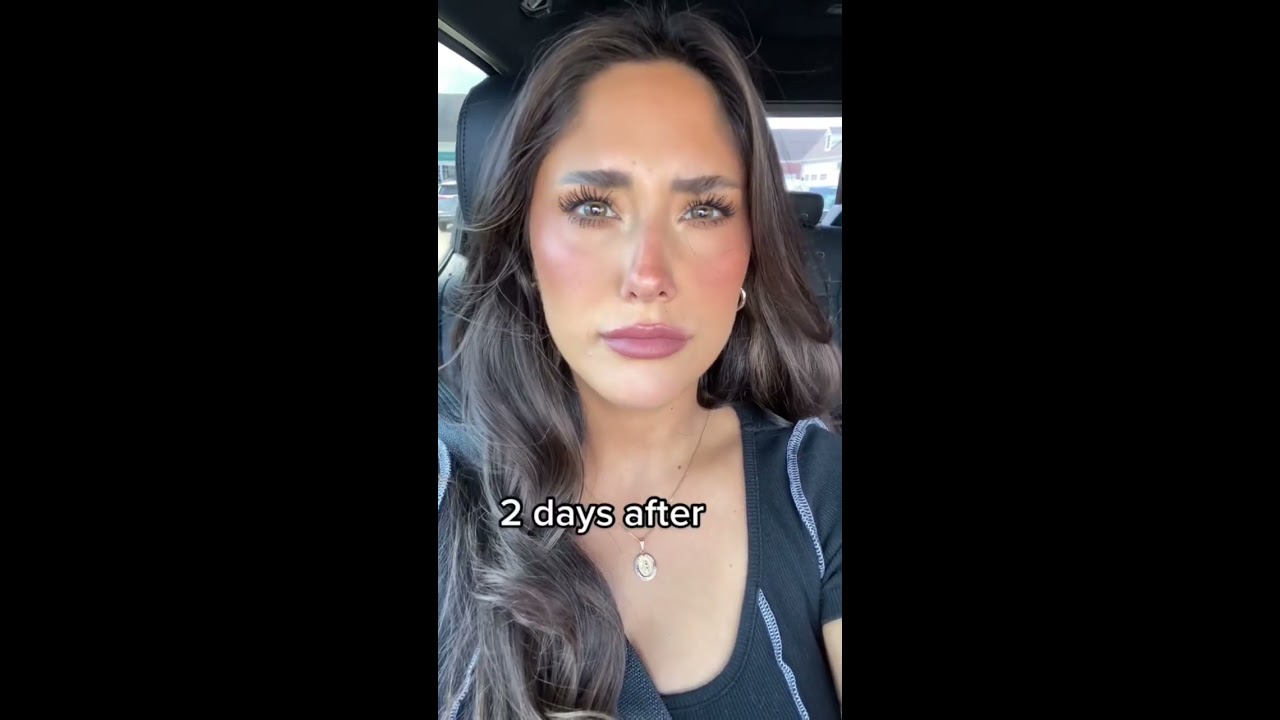
Here is the common arc. Day 1: little lumps and faint redness that settle before dinner. Day 2 to 3: no obvious change. Day 4 to 6: you notice you are not scowling at your emails and the crease looks softer at rest. Day 10: the “before and after” photos tell the story. Day 14 to 21: the result feels most stable.
How long it lasts, and what influences longevity
The effect duration in the glabella averages three to four months. Some patients stretch to five months, others return closer to 10 weeks. Several factors shape longevity:
- Your metabolism and muscle mass. Stronger muscles and faster metabolisms may shorten the effect. Dose and dilution technique. A full, balanced dose tends to last longer than a conservative trial dose. Activity patterns. If you frequently squint in bright sunlight, you will exercise those muscles more. Product choice. Botox, Dysport, Xeomin, and Jeuveau are all botulinum toxin type A, with subtle differences in spread and onset. Within the glabella, duration is broadly similar across brands, typically in the 3 to 4 month range.
A practical maintenance plan for stable results is to schedule touch ups every 12 to 16 weeks. Some people like to ride the fade and come in at the first sign of the crease returning, others prefer a fixed refill schedule tied to the seasons. There is no one correct answer, only what suits your expression preferences and budget.
Safety profile, side effects, and uncommon risks
Botox injections for frown lines have an excellent safety record when performed by trained injectors. The most common side effects are transient and mild: pinpoint bleeding, minor bruising, swelling that settles in minutes to hours, and a brief tenderness at injection sites. Headaches occur in Orlando FL botox a small minority for a day or two. Makeup can cover a bruise if it appears, and arnica gel or cool compresses help.
The risk that everyone asks about is eyelid ptosis, a droopy upper lid. This is uncommon and usually the result of diffusion into the levator palpebrae. Proper technique, conservative volumes per site, and staying above the orbital rim minimize this risk. When it does occur, apraclonidine drops can provide temporary lift while the effect wears off, typically in two to six weeks. Another undesired outcome is a heavy brow, which feels like weight on the eyes. That usually comes from relaxing the frontalis inadvertently. Careful injection mapping prevents it, and adjusting your next treatment plan fixes it.
Allergy to the product is rare. If you have a neuromuscular disorder or are pregnant or breastfeeding, you should defer treatment and discuss medical considerations with your doctor. As with any medical procedure, disclose medications and supplements during your Botox consultation, especially blood thinners and high-dose fish oil or vitamin E that can raise bruise risk.
Costs, pricing models, and value
Botox cost is usually quoted either per unit or per treatment area. In major cities, per-unit prices range from about 10 to 20 dollars. A typical glabellar treatment uses 20 to 30 units, so you might see prices from 200 to 600 dollars depending on region, injector expertise, and brand. Some clinics offer area-based pricing, such as a flat fee for the 11s.
A word on value: the cheapest option is not always the best bargain if it leads to a correction visit or a result you do not love. On the flip side, high price alone does not guarantee artistry. Look for an injector who shows consistent, natural Botox before and after photos, explains their Botox technique clearly, and discusses trade-offs without pushing add-ons. Ask how many units they plan to use for your anatomy and why. Straight answers indicate a thoughtful approach.
When Botox alone is not enough
If your 11 lines have left etched creases that linger even when the muscles are fully relaxed, Botox will soften the expression but may not erase the groove. In those cases, I sequence the plan. First, use Botox to remove the repetitive folding that keeps the line active. Then, once the skin gets a rest, decide whether to add microneedling, fractional laser, or a hyaluronic acid microthread placed strictly within the line for a gentle lift. The dose is minuscule and the placement shallow, not a volumizing filler, which avoids puffiness between the brows. Sun protection and topical retinoids complement the plan by supporting collagen.
Comparing brands and alternatives
Patients often ask about Botox vs Dysport vs Xeomin vs Jeuveau. All are botulinum toxin type A with similar safety and effectiveness. Dysport can have a slightly quicker onset for some and may feel a touch “softer.” Xeomin is a “naked” toxin without accessory proteins, which some clinicians prefer for reduced antibody risk over very long-term use. Most people choose based on injector preference and prior experience. Switching brands occasionally is fine and does not reset your results.
If you want motion preservation in other areas, such as the forehead lines or crow’s feet around eyes, diluted dosing or microdroplet techniques can soften fine lines without full immobilization. For those who prefer non-injectable alternatives, options include prescription-strength retinoids, peptide serums, and energy-based treatments. None replicate the exact mechanical muscle relaxation, but they contribute to overall skin quality.
The appointment flow that works
Here is the streamlined routine I use in clinic for a first-timer treating the 11s.
- Consultation and movement assessment: review medical history, evaluate muscle strength and brow position, and take photos for comparison. Mapping and dosage: mark injection points with you furrowing, confirm final unit plan, and answer last questions about Botox pain level and downtime. Injections: cleanse, quick micro-injections, light pressure to limit bruising, and a cool compress. Aftercare: no strenuous exercise, saunas, or face-down massage for the rest of the day, avoid pressing or rubbing the area, and remain upright for a few hours. Follow up: check symmetry and satisfaction at two weeks, with micro-adjustments if needed.
That is the only list in this article because it functions as a true step-by-step guide. Everything else benefits from context.
Aftercare, do’s and don’ts, and the first 24 hours
Botox post care is simple. Treat the area like a fresh watercolor, not a finished oil painting. Avoid heavy pressure, deep facial massages, or tight headbands the same day. Keep workouts light or skip them for 12 to 24 hours to minimize diffusion when blood flow spikes. If you habitually sleep face down, try to sleep on your back the first night. Makeup is fine after a few hours, and gentle skincare can resume the next morning.
If a small bruise appears, cool compresses help on day one, followed by warm compresses on day two. Arnica can reduce discoloration, though evidence is mixed. If you feel a mild headache, over-the-counter analgesics like acetaminophen are reasonable unless your doctor advises otherwise. I advise skipping NSAIDs like ibuprofen right before the appointment because they can increase bruising.
Setting expectations: natural, not frozen
Natural results come from alignment between your anatomy, your injector’s plan, and your tolerance for movement. I always ask patients to show me their “thinking face,” their “surprised face,” and their “smile with eyes.” That quick sequence tells me how their frontalis and orbicularis oculi work together with the glabella. If you are an expressive speaker who uses your brows for emphasis, you might prefer a slightly lower dose and a quicker touch up cadence. If your main frustration is the angry look on Zoom, a full dose with longer intervals may suit you better.
The Botox mechanism, at its core, is temporary and adjustable. If a first treatment felt a touch too heavy, ask for a modest reduction next round. If it wore off too fast, add a few units. Most patients find their sweet spot within two sessions.
Pros, cons, and practical trade-offs
The benefits are clear for the right candidate: a softer, more open look; fewer deepening lines over time; and a simple injection appointment with minimal downtime. Many people report a noticeable reduction in tension headaches after treating the 11s, likely because the corrugators are no longer clamping down all day. The Botox rejuvenation effect extends beyond smoothing. When you are not greeted by a scowl in the mirror, your resting face reads as more approachable, which often boosts self confidence.
The drawbacks are the maintenance cycle, the potential for bruising, and the small chance of asymmetry or heaviness that needs correction. There is also a mental adjustment. If you have lived with strong frown muscles for years, not being able to scowl as fiercely can feel strange for a week or two. Your expressions remain, just less intense.
Who is a good candidate, including men and women
Botox for men and Botox for women work exactly the same, with dosing tailored to muscle bulk and desired outcome. Age is flexible. Some start in their late 20s to prevent deep etching; others begin in their 40s or 50s to soften established lines. The safe age to start is less about the number and more about having dynamic lines you want to reduce and being medically appropriate for treatment.
If your brows sit low at baseline or you have heavy lids, we should evaluate whether easing the downward pull might produce a subtle brow lift effect or, conversely, reveal the need to leave some frown function to support brow position. That judgment call is part of a careful Botox consultation.
" width="560" height="315" frameborder="0" allowfullscreen="" >
Budgeting and building a maintenance plan
Think about Botox maintenance the way you would a gym membership or hair color. The Botox effect duration is finite, and a routine gives better long-term results find botox in Orlando FL than sporadic fixes. A practical schedule for the 11s is every 12 to 16 weeks. If you pair it with other small zones, like crow’s feet or a light forehead line polish, new appointment time might stretch to 15 minutes, but the process remains quick. Place reminders on your calendar for a week before your likely fade so you can snag a convenient slot rather than waiting until the crease fully returns.
If you are price sensitive, prioritize the glabella. It is the best return on investment for many faces because the frown lines draw disproportionate attention. You can add other areas later when budget allows.
How to choose a provider and prepare
The most reliable way to find quality Botox near me style providers is through a combination of referrals, credible before and after galleries, and an in-person consultation that feels collaborative. Ask these questions:
- How many units will you use and how do you map the glabellar complex for my anatomy? What is your plan to minimize the risk of lid droop or heavy brow? If I need a tiny tweak at two weeks, is that visit included? Do you prefer Botox, Dysport, Xeomin, or Jeuveau for the 11s, and why?
Preparation is simple. Skip alcohol the night before, avoid aspirin or high-dose fish oil if medically permissible, and arrive with clean skin. Bring photos of your favorite expression balance if you have them. If you are coming at lunchtime, allow a 30-minute window door to door. The Botox appointment time for just the 11s is short, but cushion your schedule so you are not rushed.
Realistic before and after, and what photographs reveal
Good before and after images show both at-rest and in-motion expressions. At rest, the vertical lines should soften or disappear. In motion, you should still be able to register concern or focus, just minus the harsh crease. If your injector only shows you at-rest photos, ask to see expression shots. They tell you how the Botox treatment behaves in real life.
Expect improvement in the skin quality over repeated sessions. When the skin is no longer folded dozens of times per day, micro-injury declines and collagen maintains a smoother surface. That is why long-term users often look like they age more slowly between the brows, even though Botox does not add volume or resurface skin directly.
When to combine with other areas
Treating only the 11s can sometimes unmask forehead lines if your frontalis tries to compensate by lifting more. If that happens, a conservative forehead dose may be appropriate to balance. Similarly, crow’s feet might look more prominent after the center smooths. None of this is a problem, just the face’s dynamic balance revealing itself. Discuss a staged plan. You can always start with the glabella, see how you feel at two weeks, then add small adjustments.
For those with migraines linked to brow tension, targeted Botox for migraine protocols exist, though they involve different dosing and broader patterns across the scalp and neck. That is a medical treatment separate from cosmetic dosing, but it explains why some people notice headache relief even from the cosmetic glabellar injections.
Myths to ignore
Botox will not make your lines worse when it wears off. You return to your baseline, minus the months of crease-free time you banked. It does not travel wildly around your face when injected correctly. It is not only for women, and it does not erase your personality. When someone looks “overdone,” it is usually because several areas were treated too aggressively, or filler was used improperly, not because of a well-executed glabellar Botox procedure.
The take-home
If the 11s are your main frustration, targeted Botox between the brows offers one of the highest satisfaction rates in aesthetic medicine. The treatment is quick, the recovery is light, and the Botox results, while temporary, can be fine-tuned visit by visit. A measured dose placed thoughtfully into the corrugator and procerus muscles reduces the downward tension that reads as stern or tired. The result is not a frozen forehead, but a relaxed center that lets your eyes carry the expression.
Choose an injector who maps, measures, and follows up. Treat consistently rather than chasing fades. If you need more than muscle relaxation, layer collagen-friendly skincare or precise micro-corrections after the Botox kicks in. With that approach, those “11 lines” stop stealing the show, and your face reads like you feel: focused, approachable, and at ease.