Walk into any busy med spa on a Friday afternoon and you will see the same appointment on the calendar repeated with different names: Botox. What you will not see, if a clinic does it right, is the same plan executed for every face. A customized Botox plan is less about chasing a number of units and more about balancing muscle dynamics, skin quality, goals, and timing. The details matter. A few units in the wrong place can weigh down brows, make a smile look stiff, or shorten results. The same small dose, placed with intention, can open the eyes, soften tension, and keep expression natural.
I have treated first timers who want only a whisper of change and seasoned patients who understand their anatomy as well as I do. The best outcomes come from an honest consult, disciplined technique, and an ongoing plan that evolves as your face, lifestyle, and priorities change.
What customization actually means
Customization begins with mapping how your muscles behave at rest and in motion. “Botox for wrinkles” is shorthand, but the drug works by relaxing specific muscles that create lines, whether they are forehead lines, frown lines in the glabella, or crow’s feet around the eyes. The same set of injection sites on two different people will not produce the same look. One patient lifts the brow with the frontalis at rest and needs more conservative dosing to avoid heaviness. Another patient overuses the corrugators when concentrating and benefits from more targeted glabella treatment to soften the 11 lines without flattening the brow.
Skin thickness, forehead height, brow position, and even hairline shape influence where and how much to inject. Add in lifestyle variables like distance running, frequent sauna use, or bruxism, and you start to see why a one size approach fails. A customized Botox plan accounts for these realities and sets expectations for the Botox timeline, the Botox duration you are likely to see, and a maintenance schedule that fits your budget and calendar.
The consult: what I evaluate and why it matters
A proper Botox consultation feels like a conversation paired with a focused exam. You will be asked to raise your brows, scowl, squint, smile, flare the nostrils, purse the lips, and clench. I am not trying to put you through facial calisthenics for fun. I am watching which muscles recruit, how strong they are, whether one side dominates, and how your eyebrows and eyelids respond.
I look at the forehead lines for direction and depth. Horizontal lines that are etched at rest tell me you use your frontalis throughout the day. We can treat them, but we must protect brow support so your eyes do not look tired. For frown lines, I palpate the corrugators and procerus, assess brow descent with gentle pressure, and check for any asymmetry in the glabella. Around the eyes, I watch the orbicularis oculi and note how crow’s feet radiate. Some patterns are fan shaped, some are more concentrated at the lateral canthus, and some sneak under the eye. Each pattern suggests a different Botox injection pattern.
Lower face movement matters too. Chin dimpling points to an overactive mentalis. A gummy smile can be reduced with careful dosing at the levator labii superioris alaeque nasi, but the wrong placement can alter your smile too much. Masseter hypertrophy from clenching or TMJ concerns opens the door for functional Botox therapy that also slims the face. Even the neck, with platysmal bands, can benefit from a Nefertiti lift approach when aging and muscle pull fight your jawline.
The last part of the consult addresses health and safety. I review your medical history, any neuromuscular disorders, recent antibiotics like aminoglycosides, pregnancy status, and prior Botox side effects. Photos give us a Botox before and after reference, but they also help plan touch ups and track Botox effectiveness over time.
Setting goals, not just “units”
Patients often ask, how much Botox do I need. The answer lives in goals, not just a syringe. Some want preventative Botox, sometimes called baby Botox or mini Botox, to soften emerging lines in their 20s or 30s. Others want a more polished look for work, with smoother forehead lines and a rested brow. A few want targeted benefits like Botox for migraines or Botox for sweating in the underarms.
Units serve the goal. For a typical first time plan, the glabella might range from 10 to 25 units, the forehead from 6 to 20 units, and crow’s feet from 6 to 24 units, depending on muscle strength and desired movement. A Botox lip flip can be as little as 4 to 8 units across the upper lip. Masseter reduction is a different scale, often 20 to 40 units per side, adjusted by jaw strength and face shape. Numbers matter, but the design matters more.
I also set the tone for what natural Botox results look like. You should still look like you, just less tired or strained. If you request a frozen forehead, I will explain the trade off, particularly for a heavy brow where lift depends on frontalis activity. If you ask for a dramatic brow lift with Botox alone, I will show where Botox helps and where brow position or excess upper lid skin may cap improvement.
How Botox works and why dosing is strategy
Botox is a purified neurotoxin that blocks acetylcholine release at the neuromuscular junction. Translation, the nerve tells the muscle to contract, and Botox puts a temporary hold on that message. It does not fill, it relaxes. That is why Botox vs fillers is not a substitution, they do different jobs. Fillers add structure and volume, Botox reduces movement.
Onset and duration shape your plan. When does Botox kick in, typically day three to five with gradual softening through day 10 to 14. How long does Botox last, in facial areas, most patients see three to four months, sometimes longer in crow’s feet and shorter in high mobility areas. Masseter and hyperhidrosis treatments often last longer, often five to six months, occasionally up to nine.
Metabolism, muscle size, and activity level change these numbers. Endurance athletes sometimes burn through results faster. Men often require higher dosing because of stronger muscle mass, so Botox for men is not different in technique, but the plan usually scales. Botox after 40 or Botox after 50 also shifts focus. Static etched lines may need a combination approach like a controlled series of Botox sessions plus skin resurfacing or microneedling, and sometimes a filler to soften deep folds that no longer rely on movement.
The appointment experience: steps that protect results
A well run Botox appointment follows a consistent flow. We begin with photos and consent. Makeup off, skin cleaned, sometimes with an antiseptic if you tend to bruise. I mark landmarks lightly and tailor injection sites to your anatomy that day. It is not unusual for me to nudge a planned point a few millimeters based on how your brow sits when you are relaxed or how your left orbicularis dominates when you squint.
For Botox procedure steps, you will feel tiny pinches. A good Botox nurse injector or Botox doctor uses a fine needle, steady hands, and small, shallow placements in most facial zones. Depth changes by muscle. Corrugators need careful depth, the frontalis is more superficial, and the masseter requires deeper placement at safe zones away from the parotid duct. A drop of pressure reduces a bruise, and ice helps if needed.
Does Botox hurt, most describe it as quick stings, a two out of ten. Total time, usually 10 to 20 minutes for standard areas. Then we discuss Botox aftercare. No heavy exercise or inversions for the rest of the day, keep fingers off the treated zones, and avoid facials, helmets, or tight hats for 24 hours. Makeup can go on after a few hours if the skin is calm. Small raised bumps flatten within 30 minutes almost always.
Recovery, aftercare, and the first two weeks
The Botox recovery window is simple but important. Expect small pinpricks and occasional light bruises. Tylenol is fine if you are uncomfortable. Skip blood thinners if you can for a few days unless they are prescribed and essential. Alcohol the same day can increase bruising.
What to expect after Botox in days one to three is mostly nothing dramatic. A minority feel a mild headache, especially with glabella treatment. Between days three and seven, the effect builds. This is when patients sometimes worry the forehead feels slightly heavy or the brow is quiet. Give it the full two weeks. Subtle asymmetries often even out as the dose takes effect.
At the two week mark, I like a quick check. If one brow sits lower or crow’s feet on one side persist, a small Botox touch up fixes it. This visit also teaches me how your anatomy responded, which improves the plan next time. Your Botox results at two weeks represent the look that will hold for most of the cycle.
Maintenance, frequency, and keeping results consistent
Planning your Botox maintenance schedule prevents the roller coaster of smooth to lined and back again. Most facial plans repeat every three to four months. A few patients hold closer to five months, while high mobility foreheads may prefer an every 10 to 12 week cadence. How often to get Botox is a mix of biology, expression habits, and budget.
One strategy I use for etched lines is a lighter mid cycle touch to keep movement suppressed just enough that new creases do not form. Over a year, those lines often lift as the skin rests. For masseter reduction or jawline contouring, we often plan two to three sessions in the first year to train the muscle to atrophy modestly, then shift to longer intervals.
Cost matters. Botox pricing varies by region, clinic experience, and whether the clinic charges by area or by unit. I prefer unit pricing because customization demands flexibility. You might see Botox cost per unit from 10 to 20 dollars in many markets. Botox specials pop up seasonally. Be cautious with deep discounts. A reputable Botox clinic invests in fresh product, proper storage, and qualified injectors. Saving a small amount will not feel like a deal if your brow drops.
Safety, side effects, and realistic risks
Is Botox safe, for most healthy adults, yes, with a strong safety record when administered correctly. Common Botox side effects include bruising, swelling, mild headache, and temporary soreness. Less common effects include eyelid ptosis if product migrates into the levator, eyebrow asymmetry, smile changes with lower face dosing, or neck heaviness with platysmal treatments. These typically improve as the toxin wears off.
We reduce risk by precise dosing, strategic placement, and patient adherence to aftercare. For example, a patient who rubs the glabella aggressively right after treatment increases the chance of spread toward the eyelid. A patient with heavy lids and low brows should avoid high frontalis dosing. When planning Botox for droopy eyelids or a brow lift effect, I am conservative and place lifts laterally to avoid central heaviness. With Botox for under eyes, often misinterpreted as treating the tear trough, we target the lateral orbicularis cautiously to prevent a false bulge.
Contraindications include pregnancy and breastfeeding, active infection at the site, certain neuromuscular disorders, and known allergies to components. This is where a skilled Botox specialist protects you by saying no or adjusting the plan.
Planning by area: what customization looks like on the map
Forehead lines require a delicate balance. Over treat and you drop the brow. Undertreat and lines persist. I map injections higher in patients who over recruit at rest and leave lower fibers free to maintain lift. In patients with high foreheads, spacing and units need adjustment to avoid a visible demarcation.
Frown lines in the glabella respond well to a pattern that disables the corrugators and procerus while preserving lateral brow shape. This is where technique separates harsh results from elegant softening.
Crow’s feet vary. If lines extend onto the cheek, I feather lower points carefully to avoid a smile dip. In patients whose crow’s feet serve as a compensatory lift for mild eyelid laxity, I reduce dosing to preserve a natural eye shape.
Lip flips are subtle. A few units along the vermilion border evert the lip slightly. If you want volume, Click for source that is filler territory. For wrinkles around the mouth, so called smoker’s lines, micro dosing the orbicularis oris softens pull, but too much and your straw sip feels odd for a few weeks.
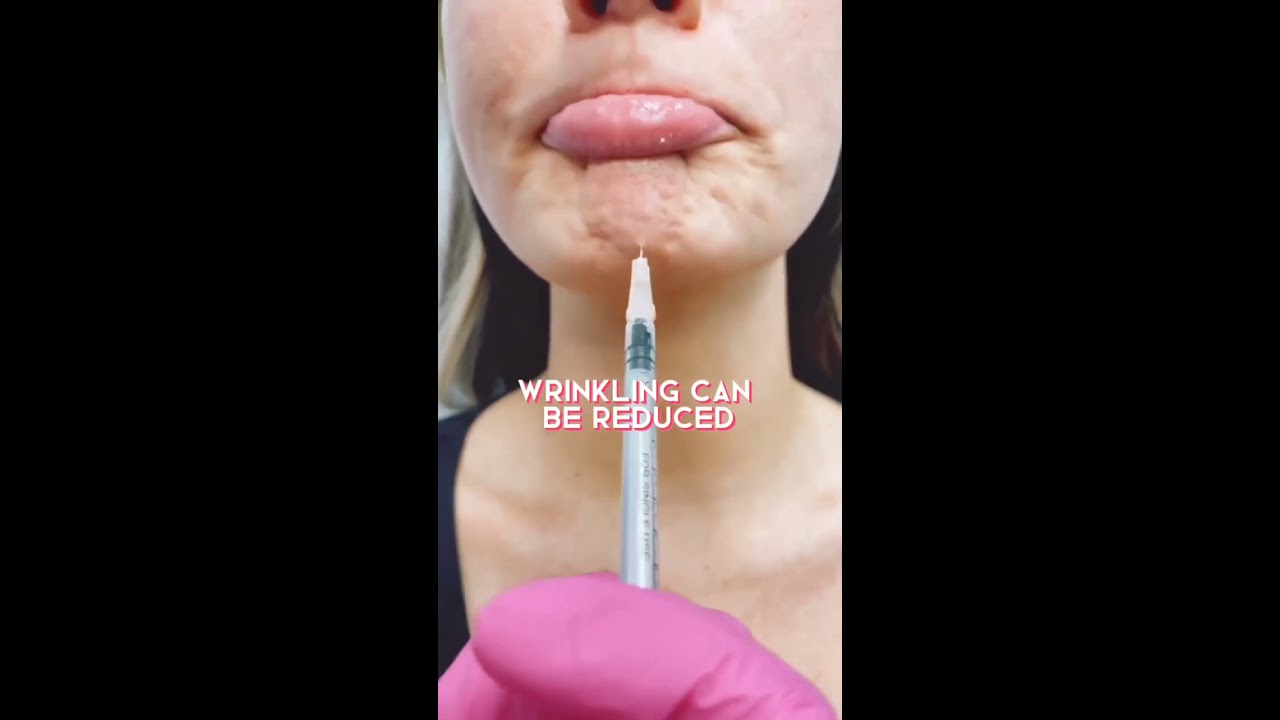
Masseter reduction and facial slimming invite a different plan. I palpate bulk at the mandibular angle and place deeper injections in safe zones, mindful of the smile muscles and the parotid. Results build over two to three sessions, and chewing feels normal though fatigue with gum chewing is common early on.
For neck bands, the platysma, micro dosing into visible bands can refine the jawline. Patients with significant laxity need to understand that Botox for platysmal bands is not a substitute for skin tightening or surgery, it is an adjunct.
Specialty areas like bunny lines on the nose, a gummy smile, or chin dimpling benefit from conservative starts and careful follow up. Small shifts can transform a smile for better or worse, so patience pays.
Botox, Dysport, Xeomin: picking the right product
Botox vs Dysport vs Xeomin is a frequent question. All are FDA approved neuromodulators with similar outcomes when doses are calibrated. Dysport tends to spread a bit more, which can be helpful in large areas like the forehead but requires care near small muscles. Xeomin lacks complexing proteins, a theoretical benefit for antibody risk, though clinically neutral for most patients. I match products to areas and patient history. If you have used one brand with great results, there is no reason to change. If a patient reports a shorter duration with one, I may try another brand to see if they respond differently.
Combining treatments for best results
A Botox only approach goes far, but the best results often come from a blend. Botox and filler combos treat both movement and volume. For deep nasolabial folds, midface volume change, or etched glabella furrows that persist at rest, a judicious hyaluronic acid filler like Juvederm adds structure that Botox alone cannot provide. Skin quality matters too. If sun damage or texture issues amplify fine lines, consider resurfacing, light peels, or microneedling. Even topical retinoids and diligent sunscreen enhance the longevity of your investment.
Patients sometimes ask about a Botox facial or a micro Botox technique where tiny doses are placed very superficially to reduce pore appearance and sweat on the face. Used correctly, these can improve texture and shine, but they are not meant to replace traditional muscle based dosing. Expectations must be clear.
Timelines that feel real, not ideal
The Botox timeline I share is practical. Day 0, you look the same. Day 3 to 5, you notice softening. Day 10 to 14, you see the final result. Weeks 6 to 8, you still look smooth. Weeks 10 to 12, movement gradually returns, often unnoticed by others. Around week 12 to 16, refresh. If you are tracking for an event, schedule your Botox appointment three to four weeks ahead so any tweak happens before photos.
First time Botox users should consider starting with a conservative plan. We can always add at the two week check. It is much easier to build than to reverse.
Budgeting and value without shortcuts
Patients often search Botox near me and then compare prices. Fair enough. Look beyond Botox deals to the injector’s training, how the clinic handles follow up, and whether you feel heard. A transparent plan with clear dosing, photos, and a rationale for each area provides value. If your clinic charges by area, ask how they handle asymmetry and touch ups. If by unit, ask how many units they expect for your goals and how they adjust if your response is strong or light.
A straightforward way to budget is to estimate your quarterly spend and set it aside. If your Botox cost per cycle is 350 to 650 dollars for upper face basics, plan 1,400 to 2,600 dollars per year. Masseter or hyperhidrosis treatments raise that. Many clinics offer membership plans with modest discounts that make sense if you are consistent.
Edge cases and judgment calls
There are moments when the right choice is restraint. A patient with heavy upper eyelids and brows who asks for more forehead smoothing may be better served by a surgical or device based lift. A patient with an asymmetrical smile at baseline may prefer to leave the lower face alone. Someone with a history of eyelid ptosis may need a different mapping strategy or to avoid certain areas entirely.
Functional treatments require the same respect. Botox for migraines follows a protocol pattern but still benefits from focusing on personal trigger zones. Botox for sweating, or hyperhidrosis, can change quality of life, but the grid and dose must be adequate for effect, usually 50 to 100 units per underarm. For TMJ and teeth grinding, realistic expectations include reduced clenching force and sometimes mild chewing fatigue early on.
A simple prep checklist for better outcomes
- Avoid blood thinning supplements and alcohol for 24 to 48 hours before treatment if medically safe to do so. Arrive with a clean face, or bring makeup remover. Share any recent dental work, vaccines, illness, or travel that may affect timing. Bring photos of your best and worst expressions if you like, it helps me understand your preferences. Plan your schedule to avoid hot yoga, long flights, or helmets on treatment day.
Realistic “before and after” thinking
Botox before and after pictures tell a story, but they do not show how the result feels. The best feedback I receive is not only that the 11 lines softened, but that colleagues ask if the patient slept well or took a short break. That is the goal, positive comments without anyone pinpointing a treatment. For men, preserving a bit of movement keeps the face authentic, especially on camera. For women who love a polished look, a slightly higher brow tail and smooth crow’s feet photograph beautifully.
Remember that photography angles, lighting, and expressions can mislead. Your best “after” is the one you catch in the mirror at 7 am when you see your eyes open a little more and your forehead at rest.
When to consider alternatives
If you are not ready for injectables, or if you are nursing or pregnant, focus on skincare and devices that build collagen. Peptides and retinoids help. Sunscreen is non negotiable. If your main concern is volume loss or sagging, Botox is not the right tool. Think fillers, bio stimulators, or lifting procedures. If your concern is texture and pores, energy based treatments may serve you better. A good Botox center lays out these options without pressure.
The value of continuity
The best customized Botox plans grow smarter over time. Each visit adds data. I learn how you respond seasonally, whether stress at work changes your frown pattern, or if your marathon training shortens your Botox duration. We adjust the Botox frequency, tweak one injection site, or split sessions around life events. Small refinements add up to an evergreen, natural look.
Patients often ask for a written plan, like a skincare routine. I provide one. It includes your baseline photos, the map of injection sites, units used, the Botox maintenance schedule, and notes on preferences, like “preserve lateral brow lift” or “favor softer crow’s feet to avoid smile flattening.” This record keeps your results consistent, even if schedules or staff change.
Final notes from the chair
Good Botox is a craft. It is anatomy, yes, but it is also listening, calibrating, and sometimes saying no. If you have read reviews and still feel uncertain, schedule a Botox consultation without pressure to treat that day. Ask the injector how they would approach your goals. A considerate answer should include where they will place product, what they will avoid, what your Botox aftercare looks like, how often you will need touch ups, and what a reasonable Botox cost will be for your plan.
Customized does not mean complicated. It means thoughtful choices stacked in your favor, visit after visit. With that approach, Botox becomes less of a one time fix and more of a well maintained habit that keeps your face expressive, rested, and unmistakably yours.
📍 Location: Orlando, FL
📞 Phone: +16892839717
🌐 Follow us: